
Click to subscribe on: Apple / Spotify / Amazon / YouTube / Rumble
The CIA’s destructive role in world politics since the end of World War II as a secret rogue spy agency controlled by unelected intelligence officers has become so ubiquitous that it can be joked about. But behind the jokes lies a far darker reality: the agency’s imperial ambitions have fueled a legacy of death and destruction in the name of expanding American power. Hugh Wilford, author and professor of history at California State University Long Beach, joins host Robert Scheer on this episode of the Scheer Intelligence podcast to delve into the specifics of CIA operations and their impact on geopolitics from its inception to the present day.
Wilford’s book, “The CIA: An Imperial History,” emphasizes how the CIA is an unprecedented force in the world, advancing the goals of a global empire with a facade of spreading democracy. Although it makes for good Hollywood stories, the subversiveness of the agency alongside its brutal methods made it such an effective power that Scheer describes as capable of “destroying the right of people to make their own history.” The two mention the coup in Iran in 1953, choreographed by the CIA, and operations in Vietnam in the ‘60s and most odious examples.
The CIA’s bloody worldwide campaigns would leave populations dazed and confused, all under the pretense of acting in their best interest, while the rest of the world remained similarly in the dark. Wilford explains, “It’s not just that America is trying to hide its imperial role from world audiences, from people in the post-colonial world in the Global South, it’s also somewhat trying to hide what it’s doing from U.S. citizens.”
These imperial ambitions, Wilford warns, inevitably have a way of backfiring, and the CIA’s history is proof of that. The CIA’s consistent meddling in the Middle East in the 20th century resulted, for instance, in the occupation of the Palestinian people, which has translated to the genocide today. “The growth of this massive secret state to carry out this globalist foreign policy has had baleful consequences, disastrous consequences, not just for people living overseas, but for people within the United States as well,” Wilford explains.
Credits
Host:
Producer:
Introduction:
Transcript
This transcript was produced by an automated transcription service. Please refer to the audio interview to ensure accuracy.
Robert Scheer
Hi. This is Robert Scheer with another edition of Scheer Intelligence, where, I hasten to say, our guest, Hugh Wilford, is the source of this intelligence. His book is called “The CIA: An Imperial History”, and the word “imperial” is critical here. I’m going to let him take it over. But in many ways, it’s the most interesting book that I’ve read about the CIA in my long time writing about CIA, in fact, I’m mentioned in the book, because of some of the articles I wrote, but I’m going to turn it over to Professor Hugh Wilfred, Professor at Cal State, Long Beach. He wrote a very important book called “The Mighty Wurlitzer”, about the CIA’s operation, infiltration of domestic organizations and so forth, the classic. So take it, Professor Wilford, why this book? Why now? And how are your colleagues responding to it, because you’re breaking new ground with this?
Hugh Wilford
Hey, thank you, Bob for that introduction, and thank you for having me on. It’s very exciting to be here, as you say, you feature in the book. And a lot of what I’ve written and what other people have written on this subject sort of builds on reporting that you did about various CIA operations. So our colleagues here are interested and supportive, and they’re a little bit I think, as the guy who writes about the CIA occasionally, that makes my image around here a little weird. But by and large, people are very nice to me, and I appreciate that. As to why I wrote the book, I guess I felt that there’s a lot of books, as you know, about the CIA, none, though, had quite answered the question for me of just why this supposedly secret government agency just became such a sort of famous, infamous name, set of initials right around the world and in and in the United States and it seems to me that the reason why the US kept reaching for the CIA to sort of carry out some of its main objectives in the years after World War II, the CIA was only created in 1947 was that the US was basically assuming an imperial role in world affairs at this time. But it was a time when, unlike previous Western empires, the US couldn’t sort of really own up to that fact. It had to sort of hide it, because of the fact that imperialism was, so to speak, unfashionable in this period. Right? It’s that, you know, British and French, the European empires are collapsing and new post colonial nations are emerging. And, you know, a major power cannot afford to look like an empire. It has to hide the fact, which is why it keeps resorting to the CIA. There’s something here about the British Empire, actually, in its final years, especially in the Middle East, when it too tried to hide the fact. A Stanford historian called Priya Satya coined the term “covert empire” to describe what was going on with the British in the Middle East in the early 1900s and it seemed to me, there was a lot of the covert Empire about the US in the Cold War and beyond. It’s not just that America is trying to hide its imperial role from world audiences, from people in the post colonial world, in the Global South. It’s also somewhat trying to hide what it’s doing as well from US citizens, right? There’s a long historic tradition of that going back to the founding fathers of anti imperialism in the US. So the CIA, I think, is partly about concealing what’s going on from domestic as well as foreign audiences. And finally, of course, the fact that the CIA is featured so large in US as well as world history, is to do with this phenomenon that European and post colonial writers have explored, which is this notion of the imperial boomerang. What empires do overseas doesn’t just sort of stay overseas. It comes home. And I think some of the CIA’s domestic boot print is a reflection, as a consequence of that phenomenon going on, the Imperial boomerang effect.
Robert Scheer
And it’s a complex phenomena. And you’re a historian, I’m merely a journalist, but it seems to me what you said about the founders, in a way, they did it, well, a version of it, they were settler colonialists. They totally ignored the native culture in this country, and its complexity and variety and its ability to adapt to the environment and not exploit it, etc, etc. Nonetheless, they were fearful of imperialism. They just didn’t regard the native population or the slaves they were importing, or had been imported, as full human beings. But they were aware of the collapse of Rome. They read books about it. They were aware of the contradictions, obviously, of the British Empire, because they made a revolution against it. And so there’s this wonderful contradiction, in a way, and the civilian, George Washington’s Farewell Address, where he warns about the imposters of pretended patriotism. He said, ‘Let’s engage with the world, but only by gentle means, by trade and so forth.’ Well, the CIA is the rejection of that, yet that is its cover, because it’s American exceptionalism. We’re not imperialists. We’re in fact, bringing freedom and supporting freedom around the world. We have to do it because we have evil enemies, you know, and that justifies doing it, and this virtue washing as if we are always on this side of the good guys. On the other hand, reading your book, and I want to get into the details of this book. You go chapter after chapter, and basically the CIA messes up the world, basically destroying the right of people to make their own history. You do it with the coup in Iran. You do it with Nasser in Egypt, and where the whole response to the six day war comes in, what we’re experiencing now with Gaza and Israel. You do it everywhere. It’s sort of a modern Graham Greene, who I think is the greatest writer about the American Empire until you came along now. So why don’t you give us that big picture? Because it’s really very current to right now. We have a revolt of the global south. We have a revolt of the very countries. It’s amazing. We even seem to be bringing India and China closer together. It used to be we celebrated India as the Democratic alternative. China, ince the revolution happened as the evil communists. We’re bringing Communist China and anti communist Russia under Putin. After all, he defeated the communists in an election. And so there’s this weird thing where the world seems to be clearly uniting around objecting to American hegemony. And the CIA is the poet, priest of American hegemony. And in your book, you describe the cultural origins of that, and something we never talk about, but is the wealthy or ruling class in America with the private schools, the Wasp elite that rose to the occasion. They loved Kipling. They loved the whole image of British imperialism, particularly, and that informed the CIA from the beginning in a massive way.
Hugh Wilford
It did. Yes, I think the CIA, when it emerged in 1947 is to a great extent the creation of an elite group whose values have been very much formed by the example of the British Empire. There’s this very good book by historian called Robert Dean, called the “Imperial Brotherhood”, which sort of describes this phenomenon, it’s sort of Teddy Roosevelt’s class, right? It’s Wasp, East Coast Blue Bloods. Many of them have been to the same prep schools, and the same universities. An extraordinary number of first generation CIA officers were graduates of this small New England prep school, Groton, including some of the characters I write about in detail in my book, like Hermit Kim Roosevelt and these institutions, very much, were designed to sort of inculcate the values of service and patriotism but also an assumption that what you do is the right thing. That you basically have the right to sort of decide the nation’s affairs and also the world’s affairs. So combined with a sense of a strong urge to go off in search of adventure, I think that’s a big part of this class as well, which is why, you mentioned Kipling, that Kipling is sort of the bard for this generation. He’s described as the bard of empire in Britain. But I think it’s very much true of the role he performs for this distinct group of men in the US as well. So that in particular, his novel, “Kim” really about this boy spy carrying out these wonderful adventures in India, the during the British colonial period, the Raj and so many, I kept, I sort of run out of, I stopped counting references to Kim in memoirs by the CIA officers and Kermit Roosevelt. Even the grandson of Theodore Roosevelt, even acquires this nickname of Kim in his childhood, which stays with him into adult life, and not to mention, also, of course, the British Soviet agent, Kim Philby as well, who’s known to a great many members of this generation. Yeah, so I think it’s there right from the beginning. I should say that it’s not, I don’t think it’s the only impulse within this, that the CIA this sort of hunt for imperial adventure. There’s also, and I think this is something that hasn’t featured, perhaps enough in previous accounts. There is this missionaries also, I think, are a big influence on the early CIA. That’s another sort of place where young CIA officers are sort of recruited from. Is the ranks of missionaries, you know, descendants of 19th century American missionaries had gone to places like Beirut, and actually, in the process, often developed, there’s a big irony here, and a sort of tragic irony developed a lot of sympathy for the nationalist struggles of foreign peoples living under European imperialism. And that sort of idealistic sympathy for third world, as they would have said then, third world nationalism, that is also there in the early CIA. But it sort of it gets, it keeps getting trumped, I think, by the hold of this kind of Imperial culture that that is very much in the sort of the management, the leadership of the CIA, and also the role, this kind of covert empire, role that the CIA is expected to perform overseas. I think there’s a lot of drama there. I think a lot of human drama, you know, in so that these young CIA officers, they often work incredibly hard to the point they make themselves sick. They believe they’re doing good things. They’re serving their nation. They think they’re uplifting overseas peoples, yet often, you know those adventures turn into terrible misadventures with appalling consequences for the foreign people’s concern, and often, actually they make the men concerned, they are main, mainly men, rather bitter, disappointed people in their later lives. That’s the sort of pattern that kept recurring I found.
Robert Scheer
And what’s amazing, though, is they have the arrogance of that elite education, but actually their behavior is often idiotic and ignorant. I mean, for example, in your book, I mean, the whole drama was supposed to be defeating communism, there’s never a moment where they seem to really understand anything about this communist phenomena. Now, the analysts, as I understand it, as opposed to the covert people, because I’ve interviewed a number of them, say, ‘Oh, they knew all along there was no international communist conspiracy and a timetable for the takeover of the world.’ In fact, there were hardly two communist countries in the world that were even on good speaking terms. I mean, beginning with the rebellion of Marshal Tito in Yugoslavia, but the Sino Soviet dispute goes back, actually, before the Communists were even powered, there was already tension, and certainly China and Russia get along much better now that nly one of them is communist. So this idea of international communist unity was a denial of the main thing your book is really about, which is the suppression of nationalism. Who gets to make history? And you introduce us to these charming, well educated, basically presumptively well intentioned people who are making a mess of the world. So let’s just begin. You mentioned one, Iran is now the very much on the scene. How did Iran get to be such a center of radical opposition to the US and all that? And in one of the more powerful chapters, and I want to. I tell people, I’m only skimming this book. Each chapter is kind of, for my money, a classic view at whether it’s Egypt before the six day war, Egypt now, how Gaza came to be part of Israel. I mean, that whole thing, every chapter in there, you know, Vietnam War, certainly, you know, totally manufactured event. Most of these things, I think all of them, in retrospect, would look ridiculous. They had nothing to do with real security threats to the United States. And ironically, in the case of Vietnam, and you talk about Colonel Lanza, somebody I did interview at the time. You know, it’s ironic, Vietnam is still a communist country. China is still a communist country, and the United States is trying to now get manufacturing shifted from communist China to Communist Vietnam. Why? Because they’re both highly nationalistic movements in countries, right that have their own 1000 years of tension. So I want to get to the question of whether the Central Intelligence Agency was ever intelligent because and really to not be aware of the splits in communist movements that nationalism trumped. And so I want to take you back to Iran, the first daring, new successful that created the model when I interviewed Kermit Roosevelt for the LA Times. And I’m only bringing those up because I reminded myself getting the clip. The article ran March 29 1979 that’s almost a half century ago, and when I got him. He was in a hospital, this guy who had taken great risks and been a Kipling character, or influence by Kipling, but nonetheless, he was very angry. He had a book that was going to come out, revealing for the first time that the US had actually really done this, officially overthrown the last secular leader, really, of Iran, and set the whole way for the ayatollahs and the madness we have now. But his book was being held up, and he used me in that interview to sort of build a story which I ran, you know, but he was very bitter, because he said they took it, and he says this in his book, they took my success in Iran and they made it a model to go everywhere in the world. And it was stupid, same thing that Colonel, then General Lansdale told me about Vietnam. He said, Yeah, I did something successfully in the Philippines. Then they did it in Vietnam to great disaster. This was early on when he told me this, and they tried so they stupidly followed a poorly informed model of what the world needed or what the world was, and it basically was a denial of the right and need for other people to make their history. And I think that is the big message that comes out of your book, whether it was intended or not. It’s basically a denial of the right of self determination of anyone in the world except Americans.
Hugh Wilford
Yeah, I think you’re right about I mean, I try to distinguish between the sort of the analytical divisions and the CIA’s analytical mission and then the covert action mission that it acquired within a few years after it was founded. I think there were analysts who got things right the sino Soviet split. You know, there were analysts who detected that in the late 50s. Leading up to the Iran Coup of 1953, there were analysts who said, No, this is a mistake, he is not a puppet of the Soviet Union, etc, but unfortunately, other people prevailed. Alan Dulles was very much, Kermit Roosevelt was very much of the view that most of their needed to go and you’re right. It’s because of this perception that nationalism in the global south must be a puppet of some imperial power elsewhere. These people aren’t capable, right? This must be the result of interference in their society. And of course, that’s one of the things I point out, is that this is, to some extent, a legacy of earlier empire, right? The British had a very similar view of peoples in their colonies, that they were also, you know, quiz things of the Russians. Some historians have said it’s a kind of state you might describe as paranoia, that there’s this concept of imperial paranoia that often, you know, you’re this power trying to control millions of people in these far flung territories. And it warps your judgment. You start to see threats where there aren’t any. You fail to see nationalist uprisings coming when, when they are coming, like the Indian rebellion of 1857 so again, I think this is something that, although there are sympathies with third world nationalism, even amongst covert operatives in the young CIA, although there are analysts who were actually kind of reporting some good intelligence, this kind of the the shadow of empire just constantly eclipses or obscures those impulses, plus, of course, the fact that that successive administrations, why even presidents, even who didn’t like the CIA, in fact that there were more who disliked it than liked it. You know, Richard Nixon is obvious example. He hated them. Thought they’re a bunch of, you know, Ivy League snobs and eggheads. But you know, he was happy to reach for the covert powers of the CIA to achieve his foreign policy objectives in the global south when it suited him.
Robert Scheer
But you know, it’s a confirmation of the founders warning about the follies of empire, that you cannot be a representative Republic governance, even though you’re excluding at the beginning to white males of some property. The fact that matter is, they knew, if you got into an empire, there went the truth, there went any accountability, and so forth, and that has been ignored consistently. And I just want to get the flavor of this book, because you really go into the texture of their internal conversations, a lot of which has now been finally revealed in various documents that have been released, memoirs and so forth. And there almost is not a single situation that they got right. And even when they got things right, then they wouldn’t listen to it or somebody. I mean, for example, the reason there’s a war going on now in Israel is because Egypt controlled Gaza, Jordan controlled the West Bank, Syria, control the Golan Heights. And all of that was a result of what was basically a preemptive war that Israel engaged in against Egypt. And the result is, you know, shifting. We didn’t bring any democracy to the Arab countries or anything, and certainly not to the Persian kingdom of Iran, but the victims of it are these Palestinians who had nothing to do with it. And one of the strengths of the CIA at the beginning is there were people who respected Arab culture, even bothered to learn the language. Were Arabs and Kim Roosevelt, you know, the grandson of the President Roosevelt. When I talked to him, he was very concerned, and he was not alone in a senior book, in a very strong way that we were blowing it with the whole Arab world.
Hugh Wilford
Kermit Kim Roosevelt, given what he did in Iran, which was lead this coup against the nationalist Prime Minister, Mohammed Mossadegh, can sort of strengthen the repressive rule of the Shah. It’s a kind of irony. It’s a tragic irony that actually, he was pretty pro Arab nationalism. He served in the CIA’s precursor, the Office of Strategic Services in Cairo during World War II, and he traveled widely in the Arab world in the late 40s. And as he did so, he sort of absorbed this kind of missionary sympathy for Arab nationalism, which was very, very much present in certain quarters. And he actually carried out operations that reflected this. There was a domestic front group called the American friends of the Middle East, which was anti Zionist, pro Arab, pro NASA. And he kind of secretly bankrolled that using CIA funds, and he also he advocated for and led an operation to to strengthen the Nationalist government of Gamal Nasser in Cairo after the Egyptian revolution against, you know, British quasi colonial rule in 1952 but ultimately, you know this, this policy was overturned by the Eisenhower administration. John Foster Davis, Ike, Secretary of State, couldn’t, couldn’t abide the fact that NASA was, was trying to achieve some independence of American control and turned against him, and that kind of obviously blew a big hole in Kermit Roosevelt’s plans for Nassar, and it kind of sunk the American friends of the Middle East, but at least as an advocacy group around the same time. So this is in the sort of mid to late 1950s so you know, Roosevelt isn’t remembered for that. What he’s remembered for is Iran, where the sort of the other side, I think, to his personality, this love of Imperial adventure that he inherited from his grandfather and his father, who effectively he was, kind of almost that his father, also Kermit, was like a, sort of like a figure out of a John Buchan novel, right? It’s sort of he Richard Hanna, you know, he was a sort of gentleman adventurer. And Kermit Roosevelt Junior, very much inherited this. And I think Iran, for him, was a place for because he wasn’t, he was pro Arab, but he wasn’t really pro Iranian, if anything, I think he sort of inherited British Orientalist views about the Persians, right and and I think he saw Iran as a kind of a playing field for him to indulge his love of kiplingesque Imperial adventure and CIA documents declassified pretty recently. There’s a tranche of them are, after a lot of sort of lobbying by various groups and individuals, eventually, a lot of CIA records relating to the coup were declassified in 2017 and and for me, that they really sort of confirmed this image that often in the face of the advice that CIA analysts were giving the covert action chief Allen Dulles seemed to become a director under Eisenhower and his sort of his Middle East lieutenant, Kermit Roosevelt, really were influential voices pushing for this action against Mosaddegh, and then when he’s in Tehran, Kermit Roosevelt carrying out this coup operation. It all goes wrong. This is August 1953 and the coup plot is detected and Washington issues orders to the CIA team to evacuate, basically, to give up and return. And Kermit Roosevelt more just says, No, this, this can still work. So he kind of goes completely off script, you know? And this is documented, and the coup then does work on August the 19th. It’s a complicated event. It’s not all just down to Roosevelt, but I think without him, it wouldn’t have happened without him and his, kind of his, his appetite for sort of Imperial oriental adventure. So, yeah, I think, you know, subsequent US, Iranian relations and the disaster, they become a very much traceable to this moment, the Imperial impulse sort of won out over the missionary influenced and pro nationalist politics that were also present in the CIA early days. In the early days,
Robert Scheer
And basically respect for any other people’s right to make their own history. And the irony here is that we talk about the Imperial venture. It was originally done at the request of the British who, because Mossadegh wanted to at least get more money from the oil, nationalization was going to happen. He started with the Italian oil interest, and then he was moving over the Anglo Iranian oil company, which became British Petroleum. And so the CIA first said it was doing this as a favor to the English to restore their imperial control. Same thing with Nasser. Nasser wanted to have control over the Suez Canal. That was the issue. It wasn’t his battle with Israel, and yet we were wavering about that. But I want to read you something that Roosevelt said when I interviewed him, when he was the hospital. Roosevelt said that, and this is interesting, because there was a Hollywood movie about Project Ajax, and it celebrated basically this Daring Do activity, which was a great failure, because if Iran is a danger to anybody in the world, it’s all starts back then, preventing Iran from developing any kind of rational secular government. But this is what Roosevelt told me when I talked to him in the hospital. Roosevelt said that the success of the operation in Iran called Project Ajax by the CA so inspired then Secretary of State John Foster Dulles, that Dulles wanted to duplicate it in the Congo Guatemala, Indonesia and Egypt, where he wanted to overthrow President Gamal of Nasser. Now he told me this back in March of 1979 and reading your book. I mean, I don’t want to say I told you so, or he told you so, but he said he resisted those efforts for the reasons you’ve outlined, and finally resigned from the CIA because of them. And you know, it’s really quite amazing that the folly aspect of it, and now I’m not minimizing the danger. We haven’t even gotten to Landsdale. Hope we do. Can we extend this another 10 minutes or so? It’s in a really important book. But, you know, people get killed. Not only, first of all, did we mess up the Mideast. So we didn’t get any kind of democracy or enlightenment. You know, we have totalitarian regimes and madness and everything else, and you know, possibility of nuclear war even there. But the irony is that they just went on from one adventure to another and so Vietnam, you know, because Lansdale, let’s introduce him. Would been an advertising guy, and he got a hold of some crazy ideas that, you know, a third way and better ways, even though he’s not the model, supposedly, for Graham Greene’s “The Quiet American” he could have been. I think he was, but I don’t know why Grant Greene wouldn’t admit it, but the fact that matters, and again, I interviewed him in real time then, he was already disillusioned with the Vietnam thing, and yet the whole assumption was that somehow, okay, mistakes were made. Well, the mistakes, According to Robert McNamara, our Secretary of French, three and a half million people died when that movie Fargo War interviewed him over this folly actually probably closer to 5 million people. It messed up the lives, you know, including 59,000 American soldiers. And you know, it just enormous waste of resource and destruction of life, the distortion of world politics, you know, to this day, where the hope of a United Nations, of countries treating each other respect are trashed and everything. So this is not some minor folly of Daring Do and Kipling gone crazy. These are people who did as much damage to the world as any dictator that we’ve had since Hitler will give you Hitler better but, but it certainly has not been a good journey, and it’s hurt a hell of a lot of people around the world.
Hugh Wilford
And Graham Greene in “The Quiet American,” sees this coming, doesn’t he, because Aldyn Pyle is the sort of young CIA officer, anti hero of the book. He’s equipped with the best of intentions when he comes to Vietnam in the early 1950s , yet, ultimately, his meddling is proven to be disastrous. And clearly, even if he wasn’t modeled directly on Lansdale, sort of Lansdale has kind of bled into the reputation of that book, hasn’t it? And then, ironically, Lansdale was clearly somewhat involved with the shooting of the first movie adaptation. Joseph Mankiewicz’s “Quiet American” later in the 50s, which kind of flipped Greene’s message on its head and made it into a sort of pro American, anti communist story. And so Lansdale cleverly there, you know, reflecting his background in advertising. And in fact, he thought he was a smart fellow, you know, ingeniously, kind of inverting the message of the book there, but Lansdale is very young.
Robert Scheer
Let me just stop you for a minute, because that’s a crime against art, right? That I knew Mankiewicz. I’m not dropping names. I just lived a long time, and I’ve been a journalist a long time. He was a well intentioned fellow, very quite liberal and decent in every respect, but it was a vicious work of propaganda. And by the way, he was part of the whole Kennedy administration and people like that, and the fact that matters, they didn’t learn the lessons of Graham Greene. And Graham Greene, as you point out your book, was a Foreign Service Officer of considerable experience as well as literary talent, and he nailed it in book after book, the power and the glory about Mexico, our man and Havana. I mean, just one after another, using his experience.
Hugh Wilford
He had this ability to see the future pretty much, Havana, just predicts exactly what’s coming in Cuba.
Robert Scheer 34:37
I think, with all due respect to your book, I can’t think of any writer I would recommend to a student if you want to understand the post World War II world from in terms of what we did. That’s Graham Greene. You go to his books. He even predicts the rise of the multinational corporations and their Mackinac. And so forth, but getting back, let’s take the last five minutes of this, is a little longer. Talk about Lansdale in Vietnam, and I mean the incredible arrogance. And I want to tell let people know your book is a joy to read, and not just because you got a lot of sex in there, but because you can see that I’m half joking, but, I mean, you can see that these are human beings that they did, like adventure. They were wild, and they exploited the natives and particularly women, in ways that, you know, belie whether they really cared about these people. I mean, you know, they turned, beginning with the French and after their intelligence, they turned Vietnam into a, you know, a brothel. For many people, it was just a terrible destruction of a culture. One of the reasons why you have some of this religious pushback from Muslims in the Middle East and embracing the Sunni hardliners is because of the corruptions of Empire and the exploitation of people sexually and otherwise. But this so they weren’t just these Merry Pranksters or daring new or so forth. They were exploitive, deeply exploitive, and destructive of local culture, and nowhere more than Vietnam. I mean, the idea that you had the right to, first of all, back the French when they wanted to return the old colonialism, everybody forgets that. You know you’re going to return the French there, even though Ho Chi Minh out in the jungle had given you some airplane signals and helped you and everything but in the name of communism and fighting communism, you justify bringing the French back. They paid for 80% of something of the cost of the French returning. They get defeated at Dien BIM Phu, and then we’re not going to allow the Geneva elections to take place and let Vietnam be unified two years later. No, we’re going to go into this madness of finding this guy in a seminary in New Jersey or New York and make him the George Washington of Vietnam. And they did this in the most arrogant, extreme, contemptuous way. And what you were saying before, the ability to just deny history, to reinvent it through their access to mass media. They were influenced the major newspapers, major television coverage, until it all went south, you know, fell apart, and Walter Cronkite could do his famous statement. But basically, the mass media in America embraced all this is the third way, there’s something wonderful, that’s the takeaway, I think.
Hugh Wilford
Yes. I think Lansdale and the others, right? They thought, again, you know, they very much, thought they were doing something different from the previous Western colonials, they and it’s there in, again, as so many things are in Greene’s “Quiet American,” Aldyn Pyle, right? He takes a Vietnamese mistress away from this older British man, right? Because he thinks he’s saving her from this kind of colonial exploitation. Yet, in fact, it is another form of colonialism and another form of exploitation. And indeed, you know, as there was a sex industry in Saigon under the French, and it’s kind of reinvented during the American period as in so many ways, even in their most intimate relations, right? These young Americans are basically reprising the European colonial past and dansdale again, you know, he kind of demonstrates, he personifies this kind of this missionary notion that when he talks about this, he talks about loving Asians and brotherhood with Asians. You know, that’s how he thinks he’s going to win over countries like Vietnam to the American side in the Cold War. But, you know, back back of an awful lot of what he was doing is this deeper colonial history, going back to the French in the late 1800s I was struck by because he’s seen as this kind of counterinsurgency genius, Lansdale, you know, the kind of founder of coin doctrine in the US. But actually, and this notion that you can sort of win hearts and minds with, you know, with friendship and development and so on, which is, you know, all well and good. It’s just that when that didn’t work, because it so often doesn’t, because often these counterinsurgency efforts are supporting governments that are seen as basically imperialist interventions by the people that living under them. There is resistance against these, even the sort of these best intentioned of efforts led by people like Lansdale and personified by Lansdale. And then there is a resort to violence in the language of counterinsurgency doctrine. It’s a shift from population centric tactics to enemy centric ones. And you saw this with the French in the late 1800s in particular, the sort of that imperial general who’s the sort of figure who I’m sure Lansdale would have appalled. He really disliked the French personally. But actually, you know, an awful lot of what he did in Vietnam basically reprised and the Philippines earlier as well. He played a very important role in the Philippines in the late 40s and early 50s, basically reprised French colonial counterinsurgency doctrine. So again, you know, it’s this dynamic of trying to do something different, but because, basically of what the US government is getting the CIA to do, these Imperial inventions, but interventions, but hiding them, and because of this, this, this colonial past, which they suddenly find themselves inserted to. So that, you know, in Saigon, on the one hand, Lansdale is saying that he’s anti French, and he’s doing things differently from the French. But he’s living in sort of, you know, Colonial Era housing. He’s speaking French. Are not particularly good French, apparently, according to his Vietnamese friends, he’s even he and his team is CIA team, the Saigon military mission, but even end up dressed like French colonial officials, a Saigon tailor creates this uniform for them. And it’s not clear if there was a sort of, you know, this. This Taylor was intending a sort of subtle criticism, a sort of joking criticism by making this uniform look like the French colonial one. Lansdale and the others can’t get out from under it, with the result that the mission fails, the CIA mission to, you know, shore up the rate that the anti communist, pro American regime of ngo dinh Diem and and that is the backdrop to the escalation of the war in in the 60s. And Lansdale, personal fall from favor, personal fall from grace. You know, there is an element again, of of some these idiocies kind of returning to haunt these men in their later lives.
Robert Scheer
I want to wrap this up, but show the book, the video, “The CIA: An Imperial History”. It’s basic books. I don’t know if I’m showing this right. It’s indispensable reading if you want to know why the world is so confusing and dangerous right now. Because as I see it, and I don’t want to, I’m not saying this is the only interpretation of your book, but you know, one of the things I made a commitment to myself, I’m actually going to read the books that I interview people about. And even though I thought I knew quite a bit about some of these ventures here, I wrote about them, interviewed people. Your book is really the clearest overall view. Uh, I could quibble with certain things before we taped, I even quibble with you said I when I was on Cuba and was, you know, etc, you know, friendly with Castro. No, I said no more than I was with Nixon or Reagan or anybody else that I interviewed and didn’t break bread or anything, was escorted by two people with some machine guns to go interview him and, you know, a little bit scary, but certainly did a good interviews. But, you know, sign from, and I’m sure anybody can, people can differ about lots of little things, but what you capture, and I’ll get to the title, “The CIA: An Imperial History”. Because otherwise you think, well, these Boy Scouts, and they kind of screw up here and there, and they really didn’t save the drowning person, but they wanted to and so forth. But I see something much more fundamental, and again, the betrayal of really the great hope, if not only the hype of America, of the American experiment, which was a renunciation of imperial control over others, as I said, those contradictions developed right from the beginning, but that, you know, you cannot read Jefferson, or you know the limited part we have with Washington and others without getting a sort of Tom Paine image of that the folly of trying to manage things, because, after all, the English thought they could manage the colonies just fine. And so they had this sympathy, as you describe in your book, for the other they saw themselves a little bit in the other. Or the guys in the CIA, but I want to capture here the economics of the Imperial part, because, again, it’d be a mistake to think of the Iran coup being divorced from oil. It was really about oil to begin with, and it’s about oil right now. And you know, I don’t want to simplify history. But right now you have a situation where, amazingly enough, we have a scarier Cold War going with Russia now than we did under Stalin and under Khrushchev and so forth. I mean, we really, you know, deny any, and this is a regime now in running what remains of Russia, Putin, who, yes, he was in the TJB, but he came with the St Petersburg, and he defeated the remnants of the communist and election, right? He’s the guy that we like to replace Yeltsin, because Yeltsin was too drunk, and Putin was sober. And then you have China, which we celebrated as long as it was our factory floor, even though they are communists. But now we attack them at every turn. They’re making chips, and it’s all for war and so forth. So we have, and the irony is, we have a realignment, you know, we have BRIC, the BRIC coalition. Who would have ever thought you’d have China, India and South Africa, you know, and Brazil and Russia and all these people and Saudi Arabia, even having deals with Russia and you know and support, and OPEC plus, and you have the shifting of the sands of the plates, really, of foreign policy. And I think your book, and whether you agree with or not, I’ll let you have the last take as much time as you want, but I reading your book, I realized this is that how to understand the chaos of the moment, that it really comes from a contempt and indifference to the concerns and thoughts of other others, whether they’re Islamic fundamentalists, whether the remnants of communist ideology, whatever they are, the people that the CIA basically empowered, almost with few exceptions and mostly on the covert side, were people that thought they had a God given gift to reorder the world, And they knew what civilization meant. They knew what decency meant, and they had that Kipling, this arrogance to do it. And then, what was that famous thing? There’s a spot of blood on your pinafore, but that just shows you’ve been out there. You know, somebody else’s blood is on it, though.
Hugh Wilford
I think they also said that, didn’t they? When one officer, CIA, officer, said that to another after they they gone after you and Ramparts, I think that appears in a book, that quotation that some of the dirty tricks that the CIA was contemplating in order to deter you and your colleagues on Ramparts Magazine from reporting on its front operations in 1966 and 1967 I think there’s a spot of blood on your collar that, yeah, that was said by one officer to another about those operations, and then we haven’t really had time to talk about that side of the book, which is how a lot of this boomerang tome in the shape of, you know, surveillance operations like MH chaos and the operation against ramparts, and also sort of domestic publicity efforts as well, via front groups to sort of whip up support us interventions overseas.
Robert Scheer
Just one little anecdote, because I got my own personal files and got some material and so forth. And it was interesting because you we haven’t even talked about James Jesus Angleton, who is central, I think, to a book, we have to do a little bit of that. This was sort of the, I don’t know what sinister, complex, wild character there and the whole drama, but at one point, Hoover and the FBI and Chris of ramparts, everything they’ve been I’ve been targeted and and so I guess some of the correspondence when there was freedom of information, and also some court hearings, where you could see the San Francisco Bureau decided that, in my case, Mario Savio and I forget so another person, a professor, that we really were not what, what they thought were just independent people out maybe to have a good time were cared about things but but Angleton was really pursuing it. And there’s actually an exchange in which Hoover tells Angleton to buzz off that there’s no so I like, wow, I was exonerated, What? You give it up. You know, it is comical, except you think, and we are in a situation now where there’s a renewed red baiting and a renewed look for foreign contacts. And you can even, oh, Trump must be a Putin agents, and he’s not. He’s going to then, and the other republics are going to say Kamala Harris is because her father was a graduate student at Berkeley or something. I mean, there’s all this, this, this character assassination, everything. And you can make fun of it. You could say it’s crazy and it’s goofy, but the fact the matter is, it really hurts. It really ends up killing millions and millions of people, destroying precious resources, endangering the very life of the planet. So we shouldn’t just take this a little bit more. I mean, that’s kind of, I don’t want to bury that. I mean, the book, yes, it’s an easy read, it’s great read. It’s got a lot of inside stories. I think it holds up incredibly well. And even when I thought you had some things wrong that I might have known about, then I thought, well, maybe he’s right, you know, maybe I got it wrong, because, after all, that’s, this is all contested stuff, so I really respect the work enormously, and defer to it. Really, from now to my mind, is the standard to understand these different certainly, chapters that I know about, I could have some quibbles, but, but really wanted to give the big takeaway is, this destroys democracy.
Hugh Wilford
Yes, yeah. And that was something that the anti imperialists said, right from the 18th century on down, is that these Imperial adventures overseas will come home and eventually destroy republican government at home. And I think that one has seen that in the years since World War II is the I mean, not just not the entire destruction, but the growth of this massive secret state to sort of carry out this globalist foreign policy has had baleful consequences, disastrous consequences, not not just for people living overseas, but for people within the United States as well, including the growth and I write a little bit about this in the book as well. I think it, you know, it contributes to the growth of the sorts of conspiracy theories that are rampant as well and will no doubt feature in the upcoming election. You know, I think that there was a pre history of conspiracy theories, and I’m not saying they’re all right by any means, but, you know, there is, there is something to the notion that there are government agencies carrying out propaganda at home and surveilling people at home. And that’s perhaps, you know, something that irresponsible people, especially on the right, you know, on all both ends of the political spectrum, I think, are exploiting at the current moment. So I think, you know it’s another of the many evil consequences of this fist. And I appreciate all your kind words about the book and but I don’t by any means see it as the as regards historians versus journalists and reporters. I was just thinking as you were talking of the fact that, you know, I feature in footnotes, other people’s footnotes, but you’re actually in the text as a character for, for, for the in the accounts of Ramparts. So, there you go.
Robert Scheer
And you did spell my name right. But let me finally, because James Jesus Angleton, I don’t know, just tell us, because you’re a great storyteller, and these people come alive. And by the way, I want to take my hat off to a plenty of former CIA agents out there, the Ray McGoverns, the Milgamers, a lot of them John Kiriakou, who who stepped forward and risk their pensions, risk their career and so forth, and and speak honestly and not all on the analytical side, John Kiriakou was, you know, involved in the capture of what was allegedly the highest ranking Al Qaeda member. It turned out not to be the case. But, you know, and so I know it’s you introduce us to an amazing collection of individuals down to its history. There’s nothing boring about these people. Fascinating. They’re literary. They have great stories to tell, and so forth and so. But James, we even make him seem multi dimensional. It’s your strength as a historian.
Hugh Wilford
You’re very, very too kind. Yeah, no. I mean, it’s difficult not to. In Angleton’s case, he’s just this fascinating personality, deeply weird person, right? Had this reputation as a counterintelligence genius. He sort of set up counterintelligence, you know, detecting spying within the CIA in in the 1950s after an earlier career as a sort of minor modernist poet and an editor, but then he becomes so obsessed with hunting for moles within the CIA that he becomes paranoid, and the whole thing spins out of control. Various people’s careers are ended, who you know, were leading perfectly blameless lives. In the end, he’s suspected of being the mole by some colleagues, and he’s, you know, I’m not the first person to write about him, because he’s such a fascinating, complicated personality, but I what I tried to do again was subject was put, put him in in an imperial kind of context framework. I noticed the fact that I didn’t think previous biographers of him have made enough of this, the fact that he was educated in not just at one of these kind of faux British public schools, like Gotom, but he actually, he had actually attended a British public school himself, by which I mean, you know, a private fee paying school, Malden college. And he was in London through it during the World War II, for with the OSS, working with the British he knew Kim Philby very well. All of these kind of influences made him into, I think, a sort of, really an imperial figure, and, and, and very, you know, people that try to work out where his paranoia came from. Was it? Was he a clinical case? Was it because of the shock of discovering that his very good British friend. Kim Philby was a Soviet agent. I think to some extent, he’d spent so much time with the British in his early life that he was kind of channeling. He was reflecting this tendency towards Imperial paranoia that the British had exhibited, just, you know, thinking that, the thinking that the Russians right, the Tsar, the Russians, and then, then later, the Bolsheviks, the Soviets, were behind everything that was bad that was going on in the world. And I think to some extent that that was, that was where he was, he was getting it from. But as you say, Yeah, well, one of a number of really very interesting personalities called Maya, his kind of his protege within the agency. He’s a big character in the chapter about CIA, domestic publicity, work or propaganda, and he’s another just really fascinating, complicated, conflicted personality who meant well and actually often did things that proved disastrous.
Robert Scheer
And would you say that power continues to this day?
Hugh Wilford
Not on, not on quite the same scale, I don’t think. You know, there have been repeated attempts to sort of reign in the power of the CIA. And of course, you know it’s failure to predict 9/11 and then the weapons of mass destruction debarked in Iraq these, you know, these greatly embarrassed it and led to, you know, the effective demotion within the intelligence community, the Director of Central Intelligence, and the appearance of, you know, other other agencies and and players, especially the Pentagon. But it’s, no, it’s still there. You know, the CIA, you know, occasionally something comes to light and, you know, you see another New York Times story. It’s not quite the same. There aren’t as many as the word back in the 70s, but it’s power is still there, I think, both domestically and overseas especially. And you know this kind of new Cold Wars, starting with Russia and especially China. You know that the US is going to continue to want to resort to covert operations against these rivals. So the story of the CIA is not over yet. I don’t think so.
Robert Scheer
It’s a good point on which to end, because we just have all this concern about the covert operations of other countries, particularly Russia and China now against our election and so forth. And, you know, reading your book, okay, no one likes these covert operations. But you know who invented this? For God’s sake. I mean, you know, you say 1947 but actually started earlier, but, I mean, there wasn’t an election in the world that they didn’t meddle in so, but that doesn’t mean you should meddle in elections. So I’ll let it go at that. I want to thank you for doing that. The book is “The CIA: An Imperial History:. I want to thank you for doing that, Professor Hugh Wilford, but Christopher Ho and Laura Kondourajian at KCRW for posting these shows. Joshua Scheer, our executive producer, who really pushed this book heavily, and it took us a while to get it together, and I’m glad we did it. Diego Ramos, who writes the introductions, Max Jones, who does the video. I want to thank the JKW Foundation in memory of Jean Stein, a great writer, independent personality, public citizen, for giving us some funds, along with the Integrity Media Foundation to help this thing get going. All right, see you next week with another edition of Scheer Intelligence.
Please share this story and help us grow our network!
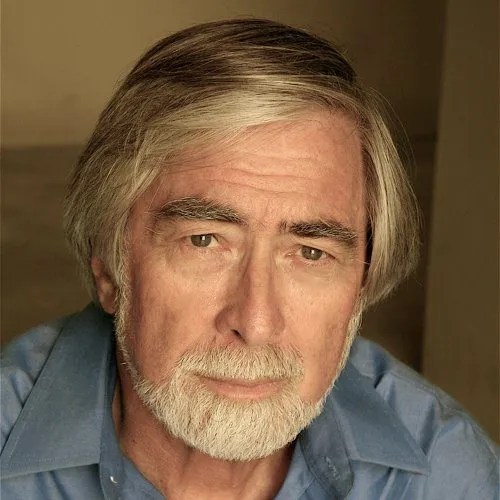
Robert Scheer
Robert Scheer, publisher of ScheerPost and award-winning journalist and author of a dozen books, has a reputation for strong social and political writing over his nearly 60 years as a journalist. His award-winning journalism has appeared in publications nationwide—he was Vietnam correspondent and editor of Ramparts magazine, national correspondent and columnist for the Los Angeles Times—and his in-depth interviews with Jimmy Carter, Richard Nixon, Ronald Reagan, Bill Clinton, Mikhail Gorbachev and others made headlines. He co-hosted KCRW’s political program Left, Right and Center and now hosts Scheer Intelligence, an independent ScheerPost podcast with people who discuss the day’s most important issues.
Editor’s Note: At a moment when the once vaunted model of responsible journalism is overwhelmingly the play thing of self-serving billionaires and their corporate scribes, alternatives of integrity are desperately needed, and ScheerPost is one of them. Please support our independent journalism by contributing to our online donation platform, Network for Good, or send a check to our new PO Box. We can’t thank you enough, and promise to keep bringing you this kind of vital news.
You can also make a donation to our PayPal or subscribe to our Patreon.
