

Click to subscribe on: Apple / Spotify / Amazon / YouTube / Rumble
Woody Guthrie’s song “Pretty Boy Floyd,” wraps up with a relevant line, “Some will rob you with a six-gun, And some with a fountain pen.”
The assassination of Brian Thompson, the former CEO of UnitedHealthcare insurance company, has prompted a national reckoning of how corporate entities commit crimes on a daily basis and are not only not punished but rewarded for their profit-making prowess. Many point to Luigi Mangione, the alleged assassin, as an example of vigilante justice, murdering someone who is responsible for the deaths of thousands who are denied medical care.
Joining host Robert Scheer on this episode of Scheer Intelligence is Anthony Grasso, professor of political science at Rutgers University and author of the new book, “Dual Justice: America’s Divergent Approaches to Street and Corporate Crime.”
The book, published a day before the assassination, dives into how the justice system is really set up in two separate ways which Grasso describes as “poor people, people of color, we want to crack down on them.” But as Donald Trump puts it, when he doesn’t pay his taxes, he’s not a criminal, he’s smart.
The criminal justice system fails ordinary people by bypassing the criminal activity occurring in corporate boardrooms. “A lot of corporate actions that are legalized or regulated, things like denials of life saving medical care that companies make in pursuit of profit maximization,” Grasso says. “We don’t understand these things as crimes. We say these are byproducts of business decision making.
It comes down to the U.S. being rooted in the principles of capitalism and how those with the wealth and power to be in positions that affect the lives of thousands can harm them as long as they follow the rules. “You can prioritize profit maximization over human life. You can deny people coverage because it increases shareholder value maximization,” Grasso tells Scheer. “Those things are okay, as long as you’re doing it within the regulatory confines we give you.”
Credits
Host:
Producer:
Video Producer:
Introduction:
Transcript
This transcript was produced by an automated transcription service. Please refer to the audio interview to ensure accuracy.
Robert Scheer
Hi, this is Robert Scheer with another edition of Scheer Intelligence, where the intelligence comes from my guest. And this time, well, I always say this, this guest is very special—but Anthony Grasso, he’s a professor at Rutgers University in political science, and he’s written this incredible book, really. “Dual Justice: America’s Divergent Approaches to Street and Corporate Crime” and what what it does, it puts the context of this shooting of the health insurance executive in perspective. The book came out December 3, one day before that event, which has done more to force a discussion about not only healthcare, but what the dual, I love the title of the book, the dual justice. That there’s a justice for ordinary people, we have the—I’m going to shut up now and let our author speak, because I’m always accused of going on too long, but I’m really high in this book because it stresses that we have two justice systems, one for ordinary people, usually people of color, people of less income, and so forth, and that’s why we’re the most alarmingly incarcerated carceral state in the world, despite our claim democracy. On the other hand, we send almost no corporate criminals to jail the whole great housing meltdown, not one of these gone-offs went to jail. So, you know, it’s really a shocking thing. And what Anthony Grasso’s book, which is published by the University of Chicago, and a very important series they have about criminal law and its effects, really cuts through all the garbage about American justice. And basically, American justice is built on a class system, so I’m going to turn it over to you now, when related to the arrests and the actions, alleged actions, of Luigi Mangione. And why the nation is now so galvanized into thinking about corporate crime in a way. Maybe that has not happened, I don’t know what, since we talked about the robber barons of another period. So why don’t you take it over now? But I just want to say I’m unabashedly a fan of this book. I’m not going to invoke some fake objectivity here. I mean, I think I’m objective and so forth. I’ve written myself about these issues, but the fact is, I can’t think of a book just right off the top, let me say that, I would recommend that people read now a non fiction book that’s more important than this book, because it really tells you what’s going on as far as freedom, justice and class in America right now, and we have this case, this incredible vigilante justice. I think you could describe one claim being made for it by people who are are trying to give some financial aid to this fellow who came from a privileged background and then seems to have rebelled against it. So why don’t you take it from there and talk about your book in that context? All right,
Anthony Grasso
Thank you so much, Robert for that very kind and very generous, generous introduction. And thank you so much for having me. I’m grateful to be here. So yeah, the book, if I’m going to really boil it down to the most basic description of what it conveys here.
Robert Scheer
Can you hold up the cover too? Because we’re also doing video.
Anthony Grasso
Sure. Yeah, it is good. I was using it to prop up my my laptop there, so I had it right here, ready to go. But the basic punchline of the book is that in America, we generally understand harmful or socially undesirable conduct very differently, depending on who commits it and where and how it manifests, right? So, a shooting on the street, a hold up, a stick up on the street, that’s a crime, right? We look at it and say, well, this individual, person who committed this act is a moral failure. We got to punish them. So those street crimes, we punish them through the criminal justice system. And that’s that sort of first justice system, but harm caused right in corporate boardrooms, right? And I think that we can really say that a lot of corporate actions that are legalized or regulated right, things like denials of life saving medical care that companies make in pursuit of profit maximization, right? We don’t understand these things as crimes. We say these are byproducts of business decision making. They’re kind of these inevitable things we have to live with, and they don’t get monitored by the criminal justice system. They get monitored by regulatory systems, right? So we can think of things like all the agencies but soup that makes up the regulatory states, you know, the SEC Securities Exchange Commission or the FTC Federal Trade Commission, right? So the idea is that there’s these two justice systems, right, punishing street crime and regulating corporate crime instead of or corporate misconduct instead of punishing it. Now, what I think, you know, makes it so salient right now, because we’re talking about the shooting of Brian Thompson, right, the CEO of UnitedHealthcare by Luigi Mangione, allegedly, right? When we look at it just sort of on its face, we tend to say, okay, gun violence, right? And ruthless profit maximization, these things seem worlds apart. How can we compare them? Right? But I think what I’m trying to say in this book, and what the public currently, the public response right to Thompson’s murder is kind of conveying that the public seems to be reckoning with this ugly truth that a shooting and the denial of medical coverage, are both forms of violence and harm that really hurt people, right? It’s just that we condemn one as crime and rationalize the other in commerce. But for people who are hurt by those denials of coverage, the violence is just as real as being stuck up on the street, right? So I think when we look at, you know, the response to Thompson’s death online, right? You know, I haven’t checked in a little while, but I know a few days ago, right? I read an article, you know, that said, when UnitedHealthcare posted about Thompson’s death on Facebook, it got 10s of 1000s of laughing emojis, right? That there were these comments online, on Twitter or X and other sites, you know, making these kind of dark jokes, right? Whether it’s, you know, my empathy is out of network or needs prior authorization, all these things, right, are attempts to kind of like show a cold indifference, I guess, for Thompson’s death that’s supposed to cynically mirror, right, the cold indifference that people feel from corporations when they’re denied medical care, right? So in that sense, Thompson’s that’s become, obviously, this flash point for discussions about corporate power. But I think it shows that the public is starting to look at these things and saying, wait a minute, violent crime, we punish harshly on the street and these harms that are inflicted on us from corporate courtrooms. Maybe they’re not as different as we think. We hold one accountable through the criminal justice system, one we barely hold accountable right through regulatory systems and the public’s, you know, response to this, this murder, right, is almost a sense of frustration with is this the accountability they get from a system that just does not hold corporate executives accountable, right? And they seem to be reckoning with these kind of dual justice systems that we do have governing this different kinds of behavior.
Robert Scheer
Well, it’s clearly illustrative of another tradition America of vigilante justice, when you feel the system has betrayed you in some way, and you then take the law into your own hands, and now that’s we teach as reprehensible behavior, because we’re, after all, in a democracy, we vote for the laws. We can trust our police to do their job. But what you’re basically suggesting here is that crime and the criminals and the corporate system manipulating the economy have a get out of jail card. They’re not a held accountable. And then the person who grabs an iPhone from the student there where I teach, if it’s their second or third offense, you lock them up and throw away the key. And so I want to get at that, and I want to relate it to American History The way it’s taught. It’s basically buried the idea that we have a class bias, indeed, that we even live in a capitalist system, or so forth, and yet, and something that sounds so good, like the Progressive Era, you actually develop a very profound idea in this book that I’ve never seen put quite this way, at least recently, and that is that we had a movement beginning with eugenics, going way back, that that branded criminals. I’ll let you put it better than I can, because you’ve spent a lot of time discussing it, but basically led up to our being the most imprisoned population in the world. You could give some of those statistics, but at the same time while holding ordinary, basically poor, also non white people, but all people who on the lower level, accountable under the strictest of laws. At the same time, they developed this alternative system to say, Oh, if you’re doing it in the marketplace, if you’re doing it in economic terms, if you’re doing it for profit, Oh, you don’t have to worry. We’ll have these regulatory boards. You’ll be able to have a lot to say about who gets appointed to them, or. Who was administered to justice. It won’t be a jury of ordinary people and so forth. And I think people don’t quite understand it. And the housing meltdown, which came closest to putting us into the situation of the Great Depression, left a lot of people really hurting. It’s one reason why the right wing populist Donald Trump is able to get reelected and yet people don’t understand just how rigged the system is that none you know, you look at a movie like inside job, or you read any of the good literature now and what happened with the banking meltdown, people got really hurt. Lives got destroyed. You know, families got destroyed and so forth. No one principally involved for what should be under common terms theft and crime got punished. Now, we know, because of the outpouring, a lot of Americans feel that same way about health care delivery, despite the great claims for Obamacare and everything. Most people feel ripped off by the health system, and people die when you can’t get med coverage for your mother and she can’t have that operation. She’s dead. She’s been killed. And that is the energy we’re sensing out there. So why don’t we take it up a notch, and you help us explain why there’s this outpouring at this time, and also, what is the role of the academic world as well as the establishment media and covering up this reality for a century? Well, yes, more than a century. Yeah.
Anthony Grasso
So there’s a lot there that I want to dive into. So I think, you know, we can talk through some of the history of this stuff. I know you were alluding to that at the beginning there. We can talk through the historical analysis I give to start a bit, which I think provides important context for understanding, sort of the modern moment in recent developments. Because there’s a lot I want to talk to about, right? You know, the banking meltdown and regulations on the healthcare industry and all this stuff in the current moment. But I do think the history is an important contextualizing factor here, right? So to kind of dive into the book and give us the historical context with the arguments I make here, right, is that I argue that these dual justice systems really kind of took root, as you were noting, right, in the Progressive Era. Right? That’s that late, late 1800s early 1900s right? Political movement in America where we sort of see major changes to how we govern. Right? Lawmakers are very much interested in relying on the science of the day to try to govern efficiently. All sorts of shifts and how we should manage the government during the progressive era. But you know, even despite calling themselves progressives, right, I talk a lot in the book about how the progressives of that time embraced some some pretty troubling ideas, right? And specifically I look at the eugenics movement in the Progressive Era, right? This was the sort of scientific movement that attempted to research different people and basically said certain people are genetically superior to others. We want to make sure that they’re reproducing and the inferior people aren’t reproducing. So how does this apply right to these dual justice systems I talk about, well, if you look at what these eugenicists were saying, they were saying, Okay, well, crime is a genetic trait. You’re born criminal a lot of the time. We get criminals behind bars, those poor people that we’re locking up, we can try as best we can, to rehabilitate them, but, man, if we just, you know, tell them to go to church and give them an education and then they come back to prison. They must just be criminal by their genes. There’s nothing we can do. We have to sterilize them. We have to lock them up for life. We have to do all these horrible punitive things to them, because there’s nothing we can do right? And that’s where we get sort of major and important developments in modern American criminal justice, right? A lot of the tools that we take for granted as part of our justice system, right, indeterminate sentencing, parole and probation, all of these things kind of emerged to say, hey, for those people who reform, we’ll release them early and give them all kinds of incentives to get out. But for the people who don’t reform, they must be born criminal. We got to lock them up for good, right? That’s a lot of the modern criminal justice system kind of emerged and took shape around these eugenic ideas. But on the flip side…
Robert Scheer
Wait a minute, before you drop eugenics, it’s fake science. It’s not real science, and it’s racially informed and class biased as well. I mean, clearly the eugenics prophets and so forth didn’t apply it to their own families or their own behavior, folks like them. In fact, one of the interesting things about the Luigi Mangione case, he’s rejecting privilege. The whole point of an Ivy League education is to convince you you’ve got the right genes, you’re in the superior group, and go and multiply. You know, nobody told the Rockefellers not to have lots of children or what have you. But even the birth control movement started out as part of this idea of getting the right people to breed, and then you engage in policy that punishes, you know, primarily people of color and people out of poverty. And so I think we have to put that setting that this great, rosy picture of America. Yes, we had some little flaw with slavery, and maybe now they bring up something about Native little flaw. But the fact is, the system was fundamentally flawed, particularly in the industrial age, by modern capitalism. So really, let’s go into that a little bit because I think that’s the real power of your book, to explain the headline of the moment has a deep basis in American history, and, it’s interesting, you have an exchange that you quote from Hillary Clinton and Donald Trump, and it really goes to the question. She’s accusing him of being a crook. He said, No, I’m just being a good businessman. That’s how it was set up. So just set, you know, we have time because we’re trying to rewrite history here in a little bit the way it’s taught. That’s the value of your book. And by the way, the book is readily available now, the price is not exorbitant, the way it is with a lot of textbooks and it’s part of a very distinguished University of Chicago series, right? So it’s, it’s been peer reviewed, you could say, but lay it out, because I really want to encourage people you know, at least, to try to look at the book or try to get it in one form or another? And because what vigilante justice does not equate to justice, but if vigilantes nonetheless can bring up important points of outrage. What was it said, the Woody Guthrie song, some will rob you with the six gun and others with a fountain pen, right? And the people with the fountain pen often do much more damage than the people with the six gun. So give us this view of American history. Kind of the Charles and Mary Beard view of American history.
Anthony Grasso
Yeah. So when we look at the historical record here, you’re right. Obviously, eugenics was total junk science, but that’s the lesson here is that the system that evolved, and we have, now so many of the tools we have, are rooted in these old, horrible, wrongly informed ideas. And the flip side was that those eugenicists looked at the robber barons of the progressive era and said, Oh, these guys aren’t criminal. They have a naturally competitive and entrepreneurial spirit. Their genes make them naturally ambitious and competitive and market winners. We don’t want to punish that. So that’s where we get them, justifying regulatory systems instead right of punishment for these people that we thought were superior, and then when we connected to the modern moment, right? I think Trump is the perfect example here to tie in, right? Because the quote you’re referring to in the book that I opened with the debate between him and Hillary Clinton in 2016 right? And that debate, Trump’s hammering home on, we need law and order. We need law and order. We need law and order in our cities, right? We know what that means. And then Hillary Clinton says he hasn’t released any of his tax returns. Who knows what’s on it? He hasn’t what he has shown us, he hasn’t paid anything. And his exact responses, response is, that makes me smart, right? And that’s the exact split I’m trying to highlight here, that I want law and order for people in those cities, right? Meaning, poor people, people of color, we want to crack down on them, but when I don’t pay my taxes, oh, I’m not a criminal, I’m smart, right? That exact distinction is what the book tries to throw into relief. Has been present for over a century, and how we construct our laws and our institutions, right? And just to go on, to contextualize a little bit more with the Donald Trump point is, a couple months ago, right, Donald Trump gave an interview where he said, I think it was on, I forget the exact show, but he said, You know, I think a murderer, they have it in their genes, right? He’s exactly echoing those eugenic points. And then his book The Art of the Deal, he says, oh, deal making, it’s in your genes too, right? So these different ways we understand street crime as a function of someone’s genetic defects, but someone’s ability to do good business as a result of their genetic superiority, these ideas stuck around, right? And there’s some alarming signs about them, them being picked up in the future. So what does this all mean for the current moment, when we think about right, punishing street crime and regulating corporate crime, right? Well, I think the Luigi and Mangione and Brian Thompson situation highlights that perfectly, right? Obviously, Luigi Mangione committed an act of criminal violence, right, condemning it as it should be. But I think the roots of the public response, where they’re kind of unsympathetic for Brian Thompson, is saying, right, well, this is violence too, like I said. Yes, but what does the regulatory state kind of do when we use that to sort of oversee really harmful corporate conduct? Right? What it does is it says, Oh, well, it’s okay to do those things, as long as you follow the right rules and procedures according to the regulatory interventions. Right? You can prioritize profit maximization over human life, right? You can deny people coverage because it increase shareholder value maximization, right? Those things are okay, as long as you’re doing it within the regulatory confines we give you. So regulating these harmful conducts, right? These are these, these harmful forms of misconduct, right? Obviously, the regulatory state does a lot of good in lots of ways, but it also can sometimes legitimize this really harmful stuff that’s coming from corporate boardrooms and corporate corner offices, right? These kinds of decisions that really can inflict harm suddenly have some legitimacy, because, oh, well, I did it in a way that followed the rules, so to speak, right? And I think you also maybe mentioned the the Affordable Care Act, or Obamacare before too, right? We can ban people who are excluded for pre existing conditions, great, but then you’re entering a system where you’re systematically denied care and saddled with crippling debt, right? Because those choices follow the rules and the regulations, right? So it does certainly create these two systems where there’s really punitive accountability on one end and almost very, very, very little accountability for the higher class. And well,
Robert Scheer
let’s be clear about these rules. The rules governing corporate behavior are written by the corporations. I mean, that’s, this is, I wrote a book called The Great America stick up. I’m not the only one. The movie, Inside Job Academy, you know, award winning documentary. I mean, they’re very clear. There’s a number of other, plenty of other material out there, the robbing of people over the phony mortgage loans and, you know, credit default swaps and all this crap, which was, if the mafia done it, you know, they’d be thrown in jail, you know, it’d be gone, be all exterminated. Was made legal by rewriting the sensible rules of regulation from the New Deal. Yes, sensible regulation can save lives, like, you know, speed limits and everything else. What happened was these lobbyists for Wall Street went in there with Bill Clinton. It wasn’t even Ronald Reagan. He couldn’t pull it off, because there was such a tragedy of life over the savings and loan scandal that even Ronald Reagan started to see, wait a minute, we can’t deregulate everything but Bill Clinton and his great the wisdom of his new liberalism right, redefining it to be at the service of Wall Street, you know. And Barack Obama, by the way, when it came in, didn’t bring any charges against these people when it was exploding on his watch. They rewrote the laws that came out of the New Deal and said all these credit to false laws and collateralized debt obligation over there were legal. So they made the crime legal. So when you talk about rules based who writes the rules, you can throw the book at someone who steals an iPhone for the second time convicted, and boom, you’re gone. You know, you’re a damaged human being, as you point out. And there’s no rehabilitation. On the other hand, not one of these corporate types, and they have obviously a great influence in the media. We now have billionaire journalism. So even the Washington Post and the LA Times, of papers like that are owned and blatantly directed by people who have been able to get the rules written and change them, and so I think this is really the heart of what anger we’re seeing out there. The public is finally in on this, and ironically, because the Democrats did not come up with a Bernie Sanders type, or Bernie Sanders and tried to push the idea that happy times are rolling and just get with the program and the meritocracy, you got a Donald Trump able to appeal to that very group of alienated Americans and say he’s going to do something about it. It’s one of the great ironies of of our history.
Anthony Grasso
Yeah, that we’ve elected Donald Trump, who was maybe the greatest reflection of the inequalities I’m talking about, right? Was elected to, in some sense, what solved the the problems, I guess. I mean, it’s, it’s a very odd, backwards sort of situation here. But yeah, in terms of these are the people who are writing the rules, Donald Trump types, right? And when I you look through the book at the different case studies I do of different major…
Robert Scheer
Yeah take us through the book, because I’m going to shut up now and give you as much time as you want. We can go for all our I mean, we. Got another 35 minutes if you want, just lay out the book, because unfortunately, most people will not buy the book, and maybe fewer yet will even read it. So just really, this is our chance to have a primer on how it really works.
Anthony Grasso
All right, so the book is basically structured to look from late 1800s to now at the exact problems we’ve been talking about, right? So the book begins by looking at sort of you know, the first thing I do is dive deep into that eugenics research of the late 1800s and I find people in law, people in sociology, people who are studying race, people studying economics, all who embrace eugenics in some way or another, and in different forms, they’re embracing the very inequalities that I’m looking at, right, which is that street criminals are born, they’re usually poor, they’re usually minorities, right? We gotta lock them up, and the robber barons are just good businessmen. That’s what they are. And they were all men at the time, good businessmen, right? By nature. And we got to regulate instead of punish them. So I begin by looking at how big this consensus was among people who embraced eugenics. And like I said, it was all sorts of academic disciplines doing this, kind of articulating these dual understandings,
Robert Scheer
And these people finance the universities. They’re on the boards of trustees, right? So it’s not surprising academics would endorse this.
Anthony Grasso
They’re all pretty well established white male sociologists who are who are shaping major departments at Columbia and Chicago, right? And then what I do is I look at the development of the criminal justice system, regulatory state over time, right? So I look at how these eugenic ideas first took root in the criminal justice system in the late 1800s and surprisingly, I think these eugenic ideas took form in what I kind of call the rehabilitative ideology, or rehabilitative approach to punishment. I was alluding to that before these were progressives, and they said, We’re going to try to reform criminals and rehabilitate them and make them better. But hey, if they’re not better, if they don’t reform, if we try to make them better, we release them back to, of course, poor communities, and then they recommit crime, we’re going to say that they’re eugenically inferior and either forcibly sterilize them or incarcerate them for extremely long terms. They would often try to incarcerate them for life. Under some circumstances, didn’t always end up quite that way, but extremely punitive sentences for people I thought were beyond saving because they were so genetically defective. And that’s the sort of main case I look at in the late 1800s at the criminal justice system, kind of the development of these reformatory systems and how they were extremely biased in racial and class ways, they were very much targeting people who were poor and people who were black immigrants, because all of these things were sort of linked to this singularly defective eugenic disposition. They said, right? Black people have a dysfunctional biology. Poor people have a dysfunctional biology, criminals have a dysfunctional biology. All of these things were seen as just signs of the same eugenic inferiority, requiring, right, some sort of punishment. So even if you were black or poor, you hadn’t committed a crime yet, sort of interpretation was oop. That’s an indicator, right, that you probably have that criminal biology too. If you are poor or you are black, you probably have that. So we got to watch you, right? So it’s very punitive justice system that took root around these eugenic ideas. And then I look at the origins of the regulatory state, right? I look at, you know, the first federal regulatory agency we ever got was the Interstate Commerce Commission in 1887 and we see the debate play out in a very specific narrative, where, at first they’re kind of contemplating criminal controls on the industry, but over time, members of Congress scale it back and ratchet it back and ratchet it back again, until we adopt these sort of regulatory schemes as alternatives, right? And we’re not going to criminally punish corporate behavior. First, we’re going to try to resort to right, whether it’s, you know, regulatory interventions, injunctions, civil fines, maybe a cease and desist order or something like that, all these other things that we’ll try before we resort to criminal punishment. We kind of really try to monitor this behavior through regulations that are not going to be as punitive, because we don’t want to impair the innovative spirit, right? And the debate always follows the same one, the same track, right? We contemplate criminal controls members of the the industry being targeted say, wait, wait, wait, we’re not common criminals. That’s not what we’re like. We’re these different kinds of people will respond to lesser sanctions. And then we ratchet it back until we get a regulatory system to govern this really harmful conduct. And then the second half of the book looks at how these sorts of choices, right, when we built institutions in this way shaped the long term trajectory of American criminal justice and American law, right? So I look at the criminal justice system in the 20th century, and I track how right we don’t, you know, embrace eugenics as you split as explicitly, excuse me, following World War Two, but a lot of the very sort of. Eugenic assumptions that got baked into some of the features of our justice system stuck around in these very subtle ways, right? So one thing that I think people often don’t understand is that America punishes criminal history way more harshly than almost any other country on Earth, right? We are, you know, we throw the book at someone who has a lengthy criminal record. Other countries don’t always do that. They have strict rules, right? That say, you know, we can consider a criminal record and punishment, but you can’t increase it more than X, Y or Z. They really tightly, kind of confine how much a criminal record can enhance someone’s sentence, not here, right? You commit, you know, a minor theft a couple of times, three, four times a three strikes. Law in California can say to the prison for life, right? And when you look in the longer history, a lot of this has its sort of roots in this legacy of this eugenic movement, right, where eugenicists said, Hey, if you have a criminal record, that sign of your criminal biology, we got to lock you up for life, right? A lot of the things and practices of our contemporary justice system that we kind of take for granted, right, emerged as part of this eugenic movement to lock up people that we thought were so eugenically defective we couldn’t save them. And I track sort of how the modern justice system reflects these eugenic legacies in these kind of subtle ways. And I also look at how the regulatory state has evolved to reflect the sort of original ideas about the superiority of the capitalist class, so to speak. Right? Every time you look at a regulatory debate in the book, right, it follows that same rough narrative that I pointed out, right? We’re going to contemplate criminal controls. The industry is talking to us. These guys seem pretty good. Let’s ratchet it back and replace it with a regulatory scheme instead that, instead that happens almost every time. Right? I look at the sort of response to the Great Depression when public outreach is at a peak, right? What happens? Right? Securities Exchange Act says, Let’s criminalize the industry. Same series of debates, same series of discussions. We ratchet it back to a regulatory scheme, right? Attempts to provide consumer protection in the 1980s 1970s excuse me, same basic trajectory, right? Let’s regulate the industry through criminal action or through criminal penalties, and then we ratchet it back. And I even look at the SNL crisis in the 1980s which actually did see some significant convictions. And that’s an interesting case that we can talk more about, too, but it saw over 1000 convictions of bankers. But what was the legislative response from Congress? It’s just to kind of dissolve the regulatory bodies that failed and create a bunch of new ones with their exact same powers, right? Can hardly be considered a rejection of that regulatory approach to governing corporate crime, right? So what the book basically is trying to do is look at these eugenic origins of these ideas, and how these eugenic ideas kind of influenced the early design of our justice systems, right, the criminal justice one, and the regulatory state and how our systems today kind of still reflect and reinforce and strengthen those principles and how they operate, right? And just to give a couple of final examples of how they still kind of live on today, right, I think when you look at criminal justice systems, the one example I’ll give is modern risk assessments, right? These are these kind of methods that judges and lawyers will use when they’re faced with a criminal defendant in court to say, okay, what are this individual’s risks and needs, right? Are they a high criminal risk, right? Or do they have certain needs that can be rehabilitated? And they look at all sorts of variables, things like your socioeconomic standing, your employment history, your educational history, to determine, are you a criminal risk, or can we rehabilitate you? But obviously, right, we know that things like socioeconomic status, educational history, employment history, correlate with race and class. So what ends up happening? Right? These risk assessments that judges are using say, well, people who are poor and people who are black are more likely to be high risk, so we lock them up for longer. Right? Congress passed a federal law in 2018 the first step act that included the risk assessment metric like that, and all early reports are showing right, people of color and people who are poor are way more likely to be deemed high risk and subjected to lengthy incarceration than people who are white to get rehabilitative measures right. So that idea is still there. And then the last, the last point I’ll make is about regulation. I think one Donald Trump quote really kind of summed it up so perfectly, how it still lives on in 2020 Donald Trump pardoned Michael Milken. Right? He’s a key player in the savings and loan industry in the 1980s put out a bunch of junk bonds, was criminally prosecuted and convicted for his involvement, and Trump pardoned him in 2020 and what did he say? Well, he says, first off, a lot of great things about Michael Milton. He says he’s one of great America’s greatest financiers, right? He had all sorts of innovative schemes. These are direct quotes, but Trump says, well, prosecutors said his innovative steam looked at his innovative schemes and alleged that they were crimes. And then again, I’m almost quoting verbatim here, Trump says the thing. That Milken had done had never before been treated as crimes. They had only been treated as regulatory violations. So they were very novel and very unusual. We should forgive him for that right. So all Donald Trump needed was to say, look at this innovative guy. All the things we punished him for had never been punished before him. They were always regulated. Instead, this is just a result of prosecutors getting over zealous. We should be regulating people like this, not punishing them, so I’m going to give them a pardon, right? So these very old ideas right, that go back all the way to the Progressive Era, right, kind of still living on and how we govern both sides of the coin, street crime and corporate crime. And I really tried to get the whole book in there as thoroughly as I could. I hope that that gave it decent, right?
Robert Scheer
Let me push back a little bit on this, because someone listening to that could think, okay, things were hunky dory, maybe until you know, Trump came along as you know something. But what Trump did was nothing compared to what Bill Clinton did, and the so called Progressive Era which has celebrated was, in fact, an unleashing of the worst of these, the sort of get out of jail free card for corporate chicanery. But let’s let’s be really clear about this. Hillary Clinton, when she was running, and she was Donald Trump’s opponent, went to Wall Street thanks to, you know, Julian Assange. We’ve got the transcripts. They’ve never been denied, right? And her husband, when he was president, had taken Robert Rubin from Goldman Sachs to be a secretary Treasury who presided over the whole deregulation, and then that liberated Citigroup, and to be to do this kind of criminal behavior, and Robert Rubin goes to work for them. And now, if I just say criminal, that gets they consume me, because they get to write the laws that make it not criminal, but by normal human standards, you would think that, you know, cheating people out of their homes should be a crime. I guess it’s not usually which every major religion used to consider criminal right usury, it’s warned against in in all of our Scripture now is just considered good business sense. You have, you have major banks now charging 30% interest, you know, 25% interest, but that’s not considered usury. And so I want to make that clear, this is a bipartisan issue, and I don’t want to let anybody off the hook, you know, and the fact she went to Wall Street and said something even more outrageous than what Trump said. Trump, at least, the saving grace of Trump, if there is one, is that he’s, he says it out loud, you know, he brags about it. He’s, you know, the art of the bully, the part of the deal here was Hillary Clinton, and she went to Wall Street and promised them, and got a lot of money from Wall Street that she would if she was going to bring them back to Washington, as if they’d ever left Washington and rely on them to fix the system, you know, and and was under Barack Obama who, again, promoted, you know, veterans of Wall Street to be in these influential positions run regulation, who, in fact, you know, didn’t move against any of these bankers, didn’t bring any charges. So the value of your book is it gets past this rhetoric of, you know, who’s good for America and basically, and this is really the problems, including NPR that I’m recording for the who supports all the so called do gooder stuff, the Rockefeller Foundation, or what have you. It was our people who, most of all want to deny the importance of class in America and exploitation, that’s really what this is about. So let’s not sugar coat it, right?
Anthony Grasso
You’re absolutely right. I mean, I’m talking about Trump a lot, I think just because he gives such a clear, clear highlight to what I’m trying to talk about. But you’re absolutely right. In the book, it’s in the book here, doesn’t let anyone off the hook, right? I’m critical of every…
Robert Scheer
That’s why I’m telling everybody to go and buy it and read it.
Anthony Grasso
There’s no one I think is wholly innocent here, right? We go back to those progressives, and they were obviously missing the mark. Even you look at Teddy Roosevelt, who we regard as this great trust Buster, right? He did a lot, he pursued a lot of things that would have been very different, right? He tried to institute a corporate licensing scheme, right? That would have been very different, but misplayed his hand, kind of politically, it talks about that, but he didn’t get that. So what did he end up doing? Well, he fully embraced eugenics. Tr, a huge fan of eugenics, and he didn’t get his licensing scheme. And he also did not criminally prosecute corporations, as much as we think, through anti. Past law. He negotiated with them very privately and often gave them that often gave them immunity. So was he innocent? No. Right. We look at the New Deal era, right? The New Deal imposed some, some legislative regulations that that really matter, right? I think, you know, a lot of times, as I’ve been saying, regulations on corporate conduct that’s really harmful ends up just tinkering at the margins and legitimizing it. And that’s true, but some New Deal legislation was really important, like glass Diego, really meaningful regulations. But also, let’s look at what some of the things people in Roosevelt, which
Robert Scheer
Bill Clinton just, just for people who are not familiar with this, Glass Steagall did say you could not mix the investment banks that were mostly catering to the rich with the banks controlling the funds of ordinary people because the government would have to bail them out, they’d be too big to fail. That’s what Bill Clinton did. He destroyed Glass Steagall, he reversed it, and he got lots of good liberal folks to go along, thinking this, they’re going to do something very good for minorities and so forth. There was garbage. And there was one person in that administration, Brooksley, born, who had been editor of the Stanford Law Review and worked for big law firms, who happened to be head of the Commodity Futures Trading Commission had been appointed by Clinton, blew the whistle on it, and they got rid of her. They got rid of her. And so, I mean, really, we we’re talking, I mean, there’s a reason why people are so confused that they would even go for Trump, because you have somebody like Bill Clinton, who came from a poor background. He understood just how ordinary people, whether they’re white or more, so if they’re of color, are going to be exploited. And he turned his back on it. I don’t know whether he got drank the Kool Aid at Yale or what you know Rhodes Scholar or what have you, but this absolute betrayal of a reality that you know very well. Even Hillary Clinton came from, I guess, a middle class background, and knows how the system can screw people, but they just drop the ball when they get in a situation of power. And in the case of Bill Clinton, they do more damage on this count than maybe any other president has done.
Anthony Grasso
Yeah, and he also, he got rid of Glass Steagall, right? This incredibly important separation of commercial investment banking, as you explained. And he also oversaw some of the biggest expansions of the prison system at the exact same time. So Clinton is a perfect example of the sort of democratic right, embodiment of these perspectives, and he wasn’t the only one to undo a lot of these regulations, right? Even Jimmy Carter, right, helped set the stage by repealing key features of regulations on the savings and loan industry prior to Reagan coming into office. Right? We talked about Clinton repealing Glass Steagall and increasing the federal capacity to lock people up President Obama, right? As we’ve said before, right, when I first started engaging in this research, which was the basis of my dissertation, right, we were only a few years removed from 2008 and no one got prosecuted. Right after 2008 the holder Justice Department seemed to have no interest or appetite for it, the Dodd Frank Act, you know, kind of just created, what 1500 pages of these dense regulations that ultimately, I think 97% of the actual rules were written by the industry itself, right? Something like that, 93 97% so, yeah, the Democratic Party has by no means been innocent here. They’ve been very involved right in, in perpetuating these very inequalities that and
Robert Scheer
They do it more effectively than the Republicans, because they don’t. They’re not the fat cast they are. I remember going to interview Bonnie Frank when they were rewriting these rules under Clinton. And I, you know, and I actually respected him and knew him and so forth somewhat. And he said, Look, I have to go to a meeting after I was working for the LA Times. I was covering this, actually, and interview. I said, well, this doesn’t make any sense to me. How does it work? He says, very complicated. I ended up. Then he turned me over to a staff person who then turned me over to a lobbyist, a lobbyist for, I believe it was Goldman Sachs explaining why this was all good. Now, Goldman Sachs almost went bankrupt. They had to be bailed out by being allowed to be a regular bank. So these people just it was too good to check. They didn’t want to look into it. You know, was even Warren Buffett said it’s a weapon of mass destruction. They didn’t. There were people who warned about it. So I want to get to what happened now with the shooting of this killing of this healthcare executive, and why the public is outraged. Because there has been a mood shift outrage to what the healthcare and now one of the greatest achievements of the Democrats is supposed to be Obamacare. And right? That’s their great victory. And then Trump is going to mess it up. He claims he made it better, but, but so what? But I want to get get to this case now, and just, let’s take 15 minutes, because you’ve written about it and you’ve connected it with your own. Work, and I want to talk about the anger out there that we’re seeing that finally, people are, you know, they don’t like socialized medicine. They’ve been brainwashed to think that that will always make it worse. But let’s talk, because you’ve written about this most recently, that why do we have the most expensive healthcare system with some of the worst outcomes, and what was really involved here with this insurance company in the medical system, right? That somehow is being more profitable Now despite Obamacare, aside from Obamacare, let’s talk about that.
Anthony Grasso
Yeah, I think the health health insurance industry, right is going to be such a flash point for the outrage, right? Because I think the punchline right is that the outrage at Brian Thompson period, right? And then the sort of response we’ve seen from the public, where they’re they’re unsympathetic to his murder, right? I think the health health insurance industry just so perfectly reflects some of the problems here. And I think the health insurance industry right is basically the logical outcome you get by entrusting the can the care of a public good to a private company, right? So what do regulations on the health insurance industry do? Right? Like I said before, it just makes the pursuit of profit legitimate, if, even if you’re disregarding human life, as long as you’re following the rules and abiding by the right standards of the Affordable Care Act, right? And I the Affordable Care Act, I don’t want to, you know, downplay that, you know, helped get people on health insurance, but, yeah, it entered people into a system where they can be settled with hundreds of 1000s, if not millions, of dollars in millions, of dollars in debt, right? The system itself is fundamentally unjust, right? So I think when we look at what I’m arguing here in the book, and why people are responding the way they are to this, these events, right, it’s people who are saying, you know, Brian Thompson was shot and murdered, but I don’t see how that’s radically different from him issuing me a denial of coverage for cancer medication or life saving treatment, right? The system, for so long, has treated those two things as completely different, and I think now people are starting to say, I may not see that difference so much anymore, right? And whether or not this moment’s a kind of broader inflection point in how we view the health insurance industry is kind of a different question, you know, but it is certainly people on both the left and right who are looking at it from that perspective right and becoming increasingly critical of it. If that answers your question a little bit.
Robert Scheer
No. I mean, the question is that, look, you’re in the academic world. I’m in the academic world. You know, no longer with the LA ties, but you know, the fact the matter is, you know, if you’re got a good position, you’ve got medical care provided for you, you’re doing all right. You know, you know, you got journals and professors that can make, you know, 300,000 a year, or something. Okay, that’s That’s all right. You know other people there, certainly people on the medical side of universities make huge amounts of money. The heads of these universities can make 810, almost as good as football coaches, you know, so forth. I don’t think that there’s any appreciation of the pain out there when you’ve got a relative or yourself and you can’t get the treatment, and you’re every time you go to the doctor, you think it’s going to bankrupt your family and destroy so you stop going. I mean, we have a, clearly, a great national nightmare going on here. And yet, many people I run into think, well, you know, but it works well for me. I’m getting good care and so forth. And again, we get back to class division. The big taboo in American academics is to deny the importance of class, and because we have this so called meritocracy that if you’re good at certain testing, and you can get ahead, and you can get scholarships, and you can leave that class, yes, and you know you won’t get the inherited wealth, but you can do quite well, and some can even be superstars. But your book, and the reason I started out, and nothing in the conversation dissuades me from that, but frankly, I think the book is better than we are in describing the argument. So I’d urge people, you know, because the book is documented, the book is a major work of scholarship. So this is not just rhetoric by two guys shooting the breeze here. You know, it’s a view of what’s been going on in our country for a whole 100 years or more that has been systematically left out of our education, left out of mainstream media, never discussed. You know, I I worked for the LA Times for 29 years or so. My wife was an associate editor outranked me, and yet that paper was always at the service of aggressive capitalism as. Why it was started. That’s what it did. You know, was anti Union from the beginning. It justified every grab power. So was the New York Times. So is the Washington Post. So what your book does, in a very scholarly, solid way, exposes this is really the most dangerous myth about our history, that it was fairness was built into our founding document, and therefore we are the best system in the world, and everybody should follow example. And what we’re seeing around the world, whether on the left or right, most people are rejecting that example, looking for someone else. Unfortunately, sometimes they look for demagogues, even our own country, you know, it’s not always they look for enlightened, progressive alternatives. We know, even in Germany, when we Germany went into fascism, it was a failure of capitalism that created it. And people said, well, we go with this maniac, Hitler, you know? So I really think again, you know, I want to take the time to put more, just a few more minutes to put more of an edge on this, you know, and not to defend what Luigi margione did, obviously, but to explain the outrage and Why, as far as I can understand, in his case, he experienced the medical system in a way that was not good because of his back issues and so forth. But up to that point, he’d had a privileged background. You know, Ivy League is Wharton, the part of the University of Pennsylvania where Donald Trump went. So they both went to the same school in effect, right? Yeah, you know, and it’s a league, Ivy League school and so forth. And yet, whatever the circumstance, he ended up writing this manifesto, which basically talks about, you know, a vigilante justice to hold people accountable or alert them. So let’s talk about that.
Anthony Grasso
Yeah, the sort of class division aspect of it, accountability, right? I think are the big takeaways here, right? Is because I think that’s what louja Mangione right? Again, he committed a crime, right? Let’s be very clear about that. But what he was trying, but I guess what he said in the in the in the manifesto was essentially, the system doesn’t give Brian Thompson accountability. Here’s the accountability I see, or whatever. So what I think the public response here, that we’re trying to explain and understand here is, is that there’s obviously very significant class divisions and how we treat people from different classes, right? And these two, these dual justice systems I talk about, are a major component of that. So how can that shed light on the sort of response now and in the modern moment, right? One of the things that I conclude in the book, and I think it’s so importantly applicable to the health insurance industry, is, I think academics sometimes, especially in the realm of governing corporate conduct, just get stuck between two binaries where they say, we either going to punish it or we either got to regulate it, and that’s it. And I think that kind of confines the debate. There’s a certain sense of, if we really want to address the class divisions and the unjust, unfair political economy that these systems are reinforcing, we kind of have to radically change it, right? And then something like health insurance, right? This is not something that should be governed by the whims of the free market and people pursuing profits when they’re governed with when they’re in charge of taking care of someone’s health, right? This is something that should be treated as a public good, right, nationalized and made a guaranteed right for everybody, there’s a certain sense of, how do we solve the problem of this health insurance industry? Right? That’s that’s denying coverage to people to pursue profits. Do we punish them or do we regulate them? No, that’s not going to fix it, right? That’s just going to trim it at the margins. Going to make it slightly more humane, I guess, right? We’re just going to try to humanize this fundamentally broken system that upholds this fundamentally unfair class divided political economy. If we really want to address the problems here that I think are making people so upset, we kind of have to really think about, you know, radically remaking the system. I think you were talking about this before the Democrats, you know, never had their Bernie Sanders type, or their Bernie Sanders specifically, right? And instead, there was this massive turn towards, okay, well, we want to blow this system up. Blow the system up, you know? And then that’s the sort of anger fueling Trump here. I think if we really wanted to blow the system up and make it fair for everybody, right, it would look like those policies Bernie Sanders had campaigned on so forcefully, right? Medicare for all, nationalizing healthcare, making these things public goods, and not leaving such important, important features of American life that are necessary to the functioning of a just and equitable society, to the whims of people pursuing profits above all else, right? People pursuing profits above all else should not be in charge of decisions over life or death for people. Right? So I think that’s an important conclusion here. If we really want to address and fix the class divisions that are the source of so much of the simmering anger, regulation ain’t going to do it. But also, punishment isn’t either, right? We have to think about, how can we radically transform the political economy to get rid of these class divisions at the root, right? So to speak, right? And that’s a I think that’s an important conclusion right in the book that I want to make very clear, right, that I think there’s a place for more punishment in the governance of corporate crime. For sure, I think that regulation, when it’s done well, can really do important stuff, but when the system itself is upholding an unfair, unjust political economy, right? An unfair, unjust political economy is what gave rise to these governing strategies. And these governing strategies, governing strategies are reinforcing them. The root solution is to make the political economy itself more fair and just for everybody, right? Whether that looks like a nationalized health insurance industry or nationalized presence in other other economies, breaking up big banks or other sectors of the economy, right? I think we need to think along those lines to really address those problems. If that…
Robert Scheer
Yeah, but you know, there’s two factors at play, and again, now we’re down to three, four minutes and we’ll end it is the control of the debate, and since we postulate that our system, whatever its imperfections, is the best the world has ever had. We are the freest and fairest people the world has ever seen. And this is a national religion, dogma that is accepted. I mean, if you challenge it, you know, there’s something weird about you or unpatriotic, or maybe you’re an Asian or Putin or China or something else, you know, but the very idea that there might be other models for how you can deliver healthcare or anything education, no, we have the meritocracy, and this has produced the best economy. Well, it was a meritocracy of first dependent on slavery, genocide against Native Americans, smashing unions. You could go right through the whole list, and somehow it got better in certain respects, because there were popular movements to challenge that, right? So that’s why you got Glass Steagall. That’s why Roosevelt was more progressive, because there were labor unions and people on strike and demanding and so forth. But now, and we only have two minutes left? I want to keep this to an hour, but we’re both connected with the academy, and this is taboo in the university. You know, the universities are all now committed to a notion of meritocracy where the merit is not serving the public or doing the right thing or being honorable or self sacrifice, the merit is being useful to large corporations, which can then give the universities more money and hire some of their better performing students to go basically do, what were the words on the bullet that he had?
Anthony Grasso
Deny, delay, depose, I think.
Robert Scheer
Yeah go into the job where you are effectively going to deny decent expectations of people about service, about what they’re entitled to. So we got, if I stick to it two more minutes, what’s your feeling? Who’s going to read this book now? Are they going to accept it? Anybody of power in the absence of it? I mean, really, what we’re talking about is the situation of madness. You’ll have people, extremists, taking the law into their own hands and doing things and, you know, and so forth. But where is the rational center on these issues? I mean, there is enlightened capitalism, enlightened leadership.
Anthony Grasso
So I think a couple of things that, I think that, you know, obviously I’m talking about things like nationalized industries and health insurance. But at the end of the day, the problems I’m talking about are things that seeming, I mean, it seems to me, the people on every side are concerned about it, right? I mean, the people who support Donald Trump and him himself, he’s contending that he’s going to stand up against these big corporations, I guess, right? Whether or not he does, that’s a different story. But the people who support him seem to think that that that’s what he’s going to do, he’s going to stick up to them, right? So if that’s how you feel, right? I mean, some of the arguments I’m making here should be applicable to people all over the all across the spectrum, ideologically speaking, right? That big corporations have a fundamental advantage over everybody else, and it creates a fundamentally unfair system and a fundamentally unfair political economy, right? So who will read this? And by it, I honestly think that, you know, even though I clearly have my own ideological perspective, right? You know, it’s pretty clear at the end of the day the problems I’m talking about and the things that should be making people angry, people on all sides are angry about right? Yeah, one of the things actually about the I’ll say about the Louis G mango thing that surprised me. I read an article the other day about how, you know some some very conservative podcasters and influencers. Posted some video being like, Oh, the left is celebrating the death of this guy, and they’re so dark. And a lot of the comments were, oh, you’re out of touch. No, even us on the right, like are feeling the same anger too. You don’t get it. We all feel this, right?
Robert Scheer
No but it’s a garbage argument. Anyway, nobody’s celebrating acts of violence against people who perform. I mean, you know, whether they stole an iPhone or they’re denying you medical care, you know, no one’s defending. Taking the law into your own hands, no one’s defending. You know, vigilante justice, because it’s not justice. But what we are talking about is maybe the larger crime of ignoring and that’s what populism addresses, whether it’s on the left or right, when the system is not working, lots of people that are having lives of quiet desperation to a favor a famous quote, that’s what’s going on this country. We have this enormous number of people who are experiencing quiet desperation, and then a guy like Trump comes along and they storm the White House, or they storm the Congress because they are really upset. It rings a bell. And if people want stability and they want order and law, they have to have justice. It’s an oldest message. It’s what Roosevelt espoused, and this wisdom that Republicans and Democrats have ignored. But the book is called, so please read it. We haven’t done it. Full justice here, dual justice. America’s divergent approaches to Street and corporate climb, I would say, insanely unfair approaches street corporate climb, but you know, one is punished severely and the other is exonerated. But that’s it for this. It’s a University of Chicago book readily available. I want to thank Christopher Ho and Laura Kondourajian at KCRW, the excellent NPR station in Santa Monica, despite what all the restrictions on free media are for posting these shows. Joshua Scheer for being our executive producer and who pushed this very heavily. Diego Ramos, who writes the introduction, Max Jones, who does the video the JKW Foundation in memory of Jean Stein, a terrifically independent and important public intellectual writer and Integrity Media based in Chicago for its advocacy and support of a free press and giving us some support for doing this show. See you next week with another edition of Scheer Intelligence.
Please share this story and help us grow our network!
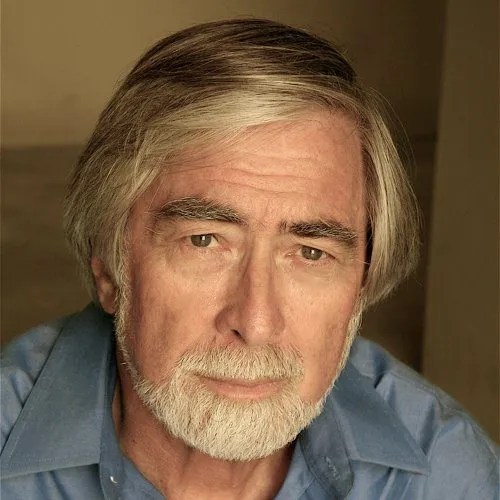
Robert Scheer
Robert Scheer, publisher of ScheerPost and award-winning journalist and author of a dozen books, has a reputation for strong social and political writing over his nearly 60 years as a journalist. His award-winning journalism has appeared in publications nationwide—he was Vietnam correspondent and editor of Ramparts magazine, national correspondent and columnist for the Los Angeles Times—and his in-depth interviews with Jimmy Carter, Richard Nixon, Ronald Reagan, Bill Clinton, Mikhail Gorbachev and others made headlines. He co-hosted KCRW’s political program Left, Right and Center and now hosts Scheer Intelligence, an independent ScheerPost podcast with people who discuss the day’s most important issues.
Editor’s Note: At a moment when the once vaunted model of responsible journalism is overwhelmingly the play thing of self-serving billionaires and their corporate scribes, alternatives of integrity are desperately needed, and ScheerPost is one of them. Please support our independent journalism by contributing to our online donation platform, Network for Good, or send a check to our new PO Box. We can’t thank you enough, and promise to keep bringing you this kind of vital news.
You can also make a donation to our PayPal or subscribe to our Patreon.
